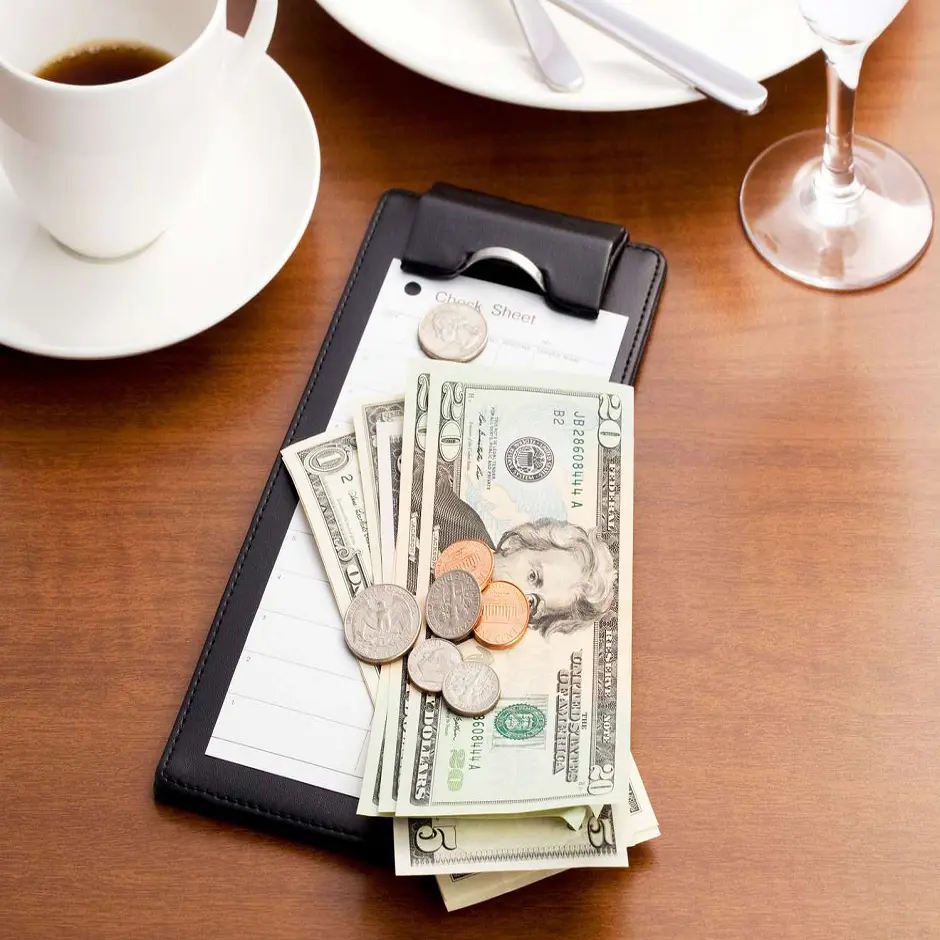
Tipping in the hospitality industry can be confusing, especially for travelers venturing outside their cultural norms. While some countries factor gratuities into service charges, others rely heavily on tipping to supplement staff wages.
Hotels, with their diverse staff roles and service offerings, present a unique tipping landscape. Fear not, intrepid traveler! This comprehensive guide will equip you with the knowledge and confidence to navigate hotel tipping etiquette like a seasoned pro.
By understanding these guidelines and cultural nuances, you can confidently navigate hotel tipping, ensuring a smooth and pleasant experience for you and the staff who make your stay enjoyable. Remember, tipping is a way to show appreciation for good service. A small tip and a genuine "thank you" are always appreciated when in doubt.
Understanding the Why Behind the Tip
Before diving into specifics, let's address the rationale for tipping in hotels. Hotel staff, from housekeepers to concierges, often work for wages that might not fully reflect the demands of their jobs.
Tipping serves as a way to show appreciation for exceptional service and helps ensure staff are adequately compensated for their efforts.
Additionally, gratuities can incentivize staff to go the extra mile for guests, creating a more positive hospitality experience for everyone.
Who Gets Tipped and How Much?
Now, let's get into the nitty-gritty: who gets tipped, and how much should you give? Here's a breakdown of the most common hotel staff recipients and recommended tipping guidelines:
Housekeeping:
The backbone of hotel cleanliness, housekeepers ensure your room is fresh and comfortable. Tipping them is standard practice. Here's how to determine the amount:
- Standard Tip: $3-$5 per night is a good starting point for most hotels.
- Luxury Hotels/Extra Guests/Large Rooms: Consider a slightly higher tip, perhaps $5-$7 per night, to acknowledge the additional effort involved.
- Daily vs. Lump Sum: Tip daily to ensure the housekeeper who cleans your room receives the gratuity. Leaving a lump sum at checkout might not go to the right person.
- Tipping Technique: Leave the cash in an obvious location, like on the nightstand with a note expressing your thanks. An envelope can be used to avoid confusion with lost money.
Concierge:
These resourceful individuals can be invaluable for navigating the local scene, recommending restaurants, securing reservations, or arranging activities. Tipping is appropriate for these services:
- Basic Information: No tip necessary for general inquiries.
- Reservations/Tickets: $5-$10 for securing reservations or tickets, especially if it involved effort on their part.
- Extensive Assistance: For going above and beyond, consider a tip of $10-$20.
- Tipping Technique: Simply hand them the folded cash and express your gratitude after they complete the service.
Bellhops/Porters:
These individuals assist with luggage transport. Here's a tipping guide:
- Standard Tip: $1-$2 per bag is customary.
- Excessive Luggage: If you have an extraordinary amount of luggage, consider a slightly higher tip.
- Tipping Technique: Hand them the cash directly after they assist you.
Valet Staff:
For parking your car, tipping is expected:
- Standard Tip: $2-$5 per retrieval, depending on the wait time and level of service.
- Tipping Technique: Have the cash ready to hand over when you collect your car.
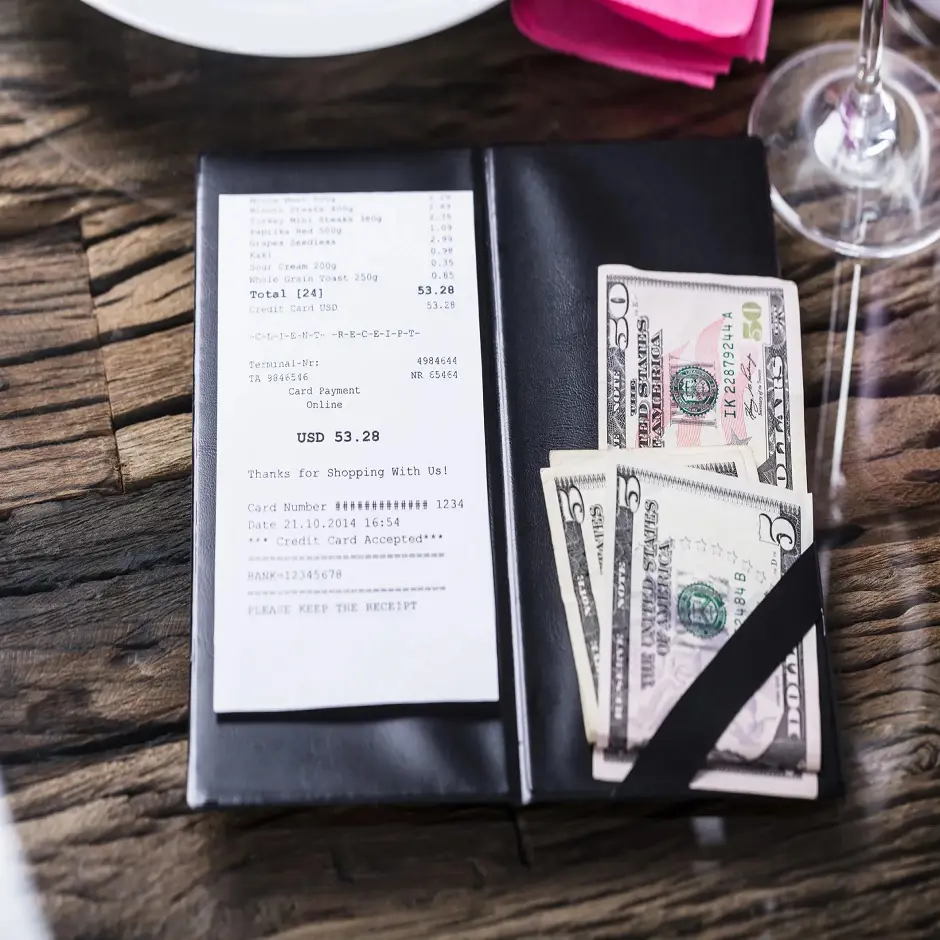
Room Service:
Tipping for room service follows restaurant etiquette:
- Automatic Gratuity: Check your bill first. Many hotels include a gratuity (usually 15-20%). If one is applied, you don't need to tip further unless the service was exceptional.
- No Automatic Gratuity: Tip 15-20% of the pre-tax bill for standard service.
- Exceptional Service: If the service went above and beyond, consider a slightly higher tip.
- Tipping Technique: You can leave cash with the server or add a tip to your bill when signing.
Doorman/Door Staff:
While not always necessary, a small tip can be appropriate for hailing cabs or helping with directions:
- Standard Tip: $1-$2 is sufficient.
- Tipping Technique: Simply hand them the cash and express your thanks.
Spa Staff:
Tipping spa staff follows standard spa etiquette:
- Massage Therapists: 15-20% of the service charge is customary.
Other Staff:
For unexpected services, like extra towels or fixing a minor issue, a small tip of $1-$2 is a nice gesture.
When Tipping is Not Required
While tipping is generally expected in hotels, there are a few situations where it's not necessary:
- Automatic Gratuity Included: As mentioned earlier, some hotels automatically add gratuity to bills (room service, spa services). Double-check your bill to avoid double tipping.
- Minimal Service: If the service provided is minimal or unsatisfactory, tipping is not obligatory. However, consider if there were extenuating circumstances before withholding a tip entirely. Open communication with management might be a better course of action in such cases.
- Salaried Staff: Some hotel staff, like managers or front desk agents who receive a fixed salary, might not rely heavily on tips. Tipping is at your discretion in these situations.
Cultural Considerations
Tipping etiquette varies greatly across cultures. Here are some things to keep in mind when traveling internationally:
- Countries with Service Charges: In some countries like Japan or most of Europe, service charges are often factored into the bill. Double-check your receipt to avoid tipping twice.
- Tipping Considered Rude: In some cultures, tipping can be seen as an insult, implying the base wage is insufficient. Research tipping customs in your destination country to avoid offending.
Additional Tips for Savvy Tippers
- Carry Small Bills: Having a stash of small bills makes tipping on the go much easier.
- Local Currency vs. USD: While tipping in USD might be accepted at some tourist destinations, using the local currency shows respect for the local economy.
- Express Gratitude: A genuine "thank you" goes a long way, regardless of the tip amount.
- Discretion is Key: Tipping is a personal gesture. Use your judgment and comfort level when deciding how much to tip.

Beyond the Basics: Navigating Special Situations
Hotels offer a variety of services beyond standard room stays. Here's how to handle tipping for some of these:
- Housekeeping for Extended Stays: For extended stays (think a week or more), consider leaving a daily tip or a larger lump sum at the end of your stay, acknowledging the ongoing service.
- Turn-Down Service: Tipping for turn-down service (evening preparation of the room) is not mandatory, but if you appreciate the service, a small tip of $1-$2 per night is appropriate.
- Minibar Replenishment: Tipping for minibar restocking is not required, but if you develop a rapport with the staff who restock it, a small tip can be a nice gesture. However, some hotels might charge an automatic service fee for minibar use.
The Art of Saying Thank You: Beyond the Tip
While tipping is a way to show appreciation, it's not the only way. Consider these additional gestures:
- Positive Reviews: Leaving positive online reviews for exceptional staff members can significantly impact their reputation and potentially lead to promotions or other opportunities.
- Compliment Cards: Many hotels offer guest comment cards. Take a moment to highlight the staff who made your stay enjoyable.
- Direct Recognition: If a staff member truly went above and beyond, consider mentioning them by name to a manager and expressing your appreciation.